





Motion Study Laboratory
Located at LSCVAMC

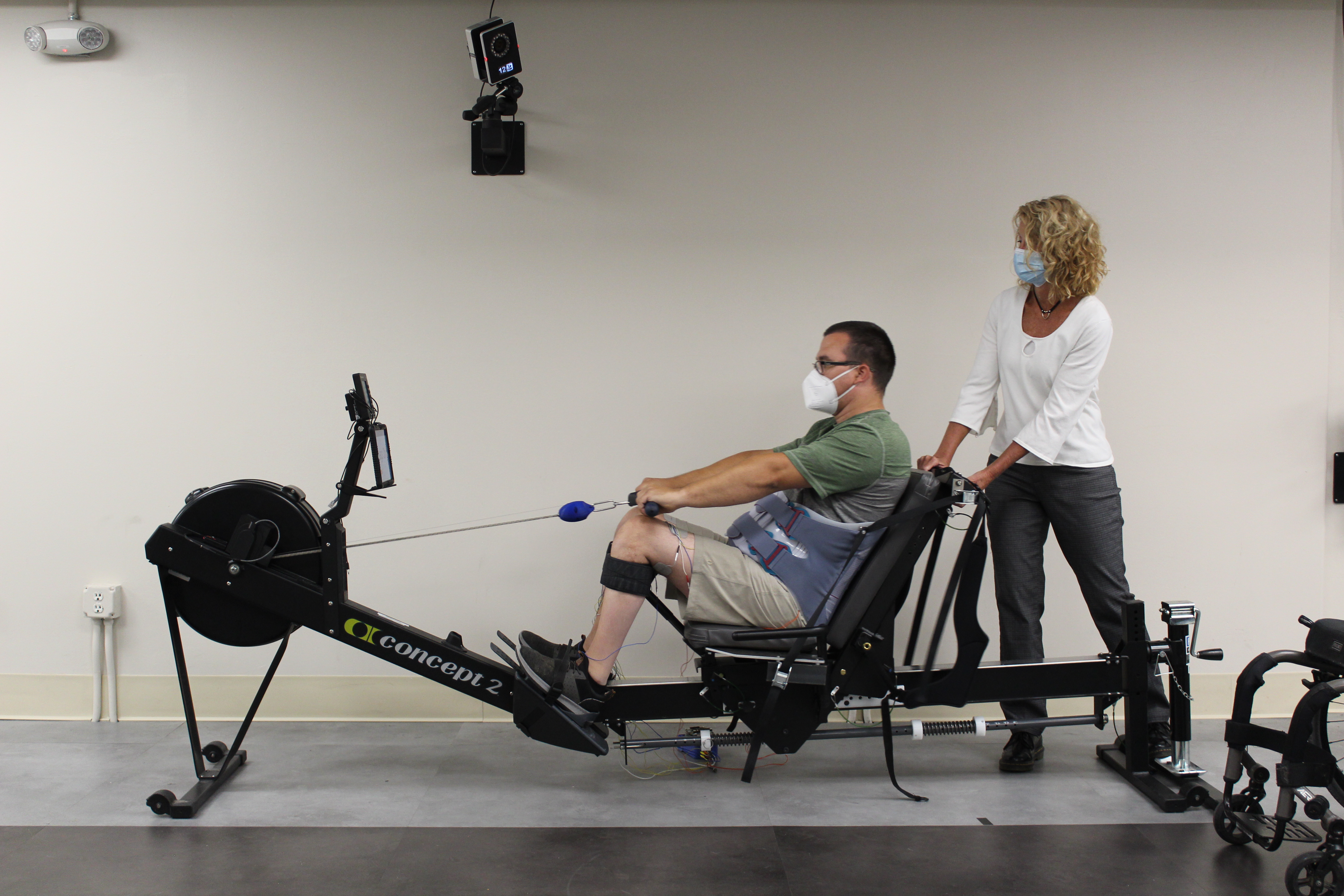
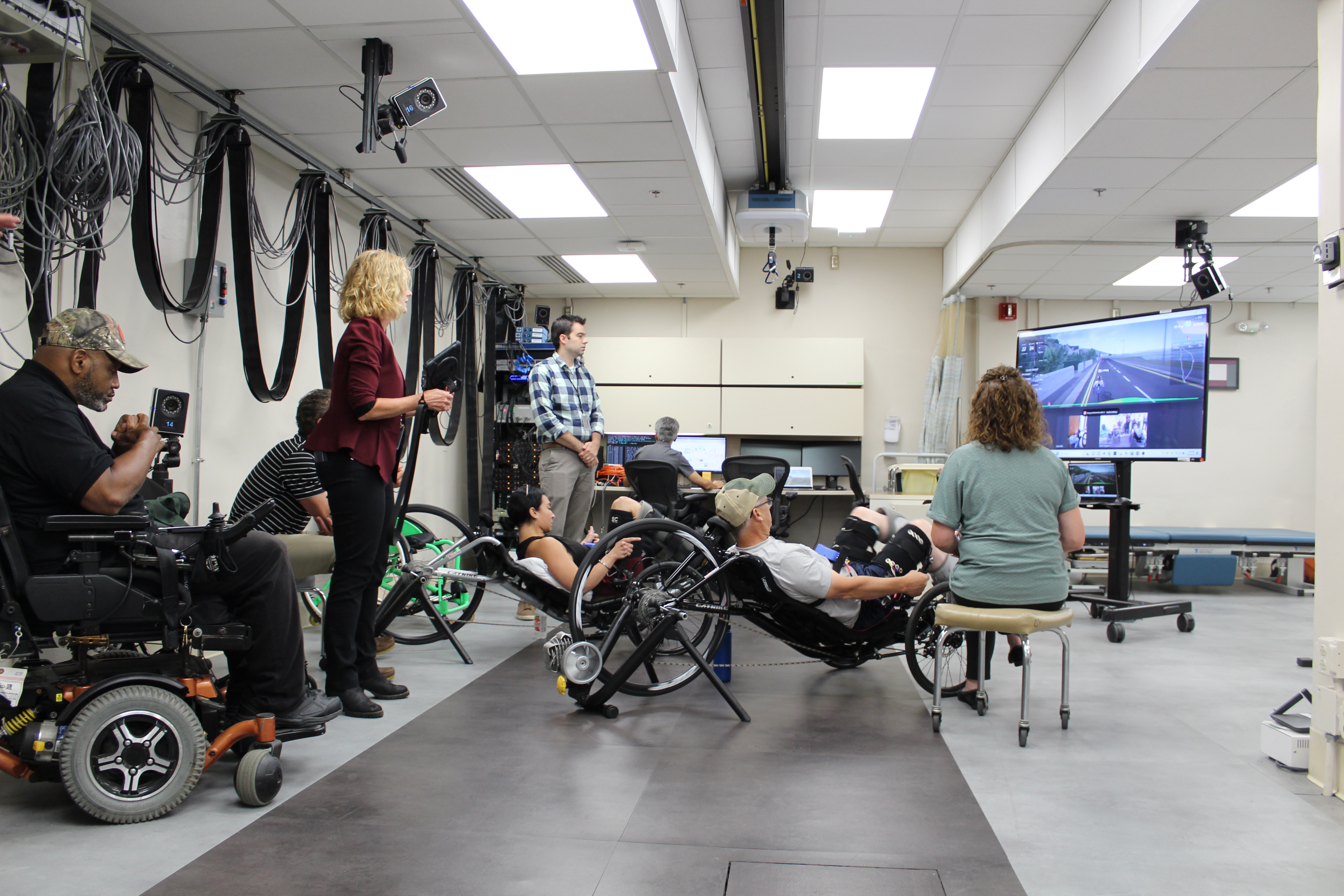
The Motion Study Laboratory (MSL) at the Louis Stokes Cleveland VA Medical Center is a state-of-the-art motion analysis laboratory with a full 16-camera Vicon motion capture system, 6 in ground force plates, wired and wireless electromyography collection systems, and inertial measurement systems. It also features instrumented stairs and a split belt treadmill.
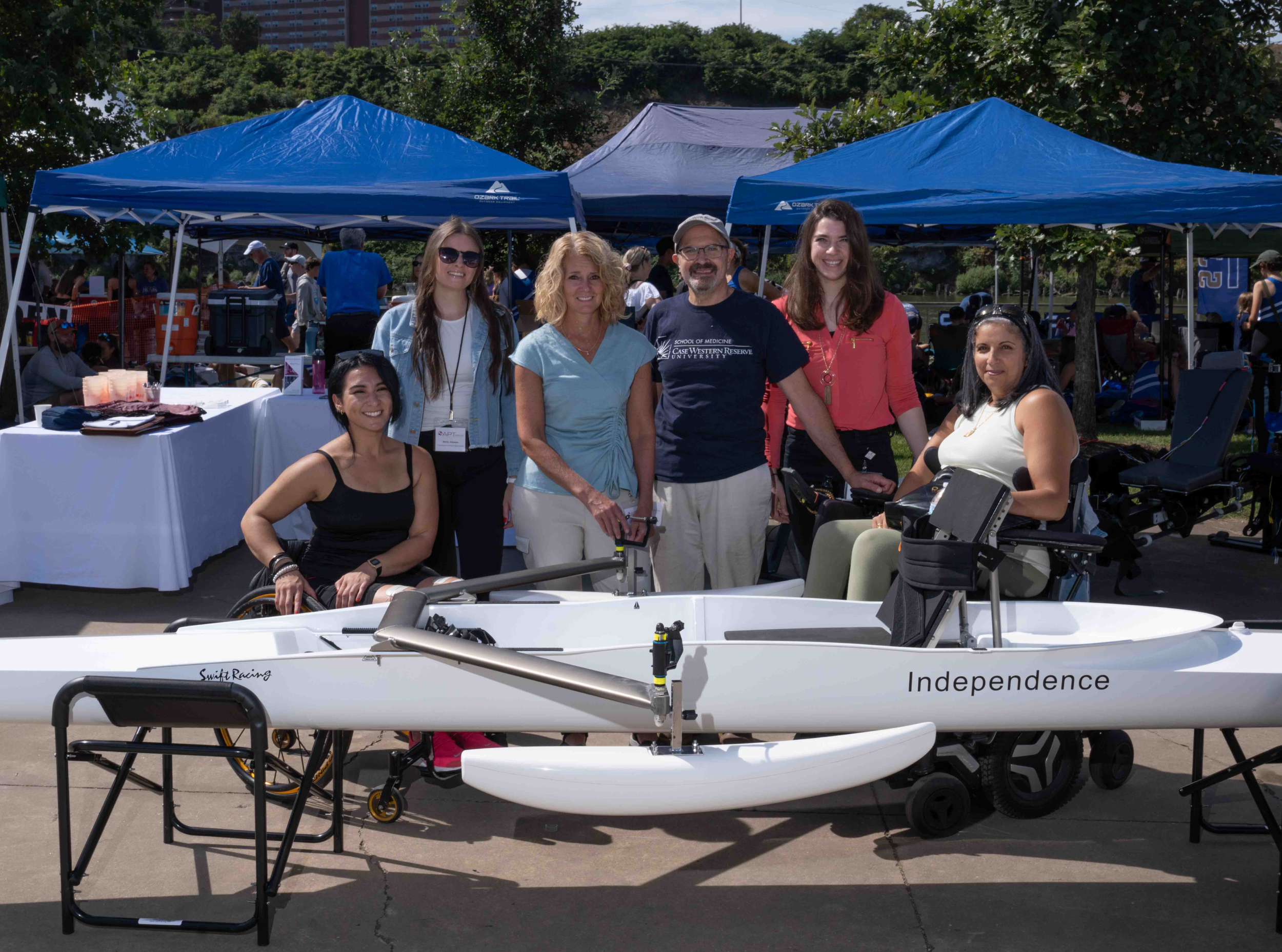
The MSL focuses on studying movement in different populations, such as stroke survivors and individuals with lower limb paralysis, by utilizing novel muscular electrical stimulation devices and methodologies. Ongoing study application areas include adapted exercise, trunk control and stability, and improving standing/stepping abilities. The overall goal of the lab’s research is to harness the knowledge gained from these different movement studies to advance technologies that improve the overall health and quality of disabled Veterans.
The MSL is made up of a passionate team of investigators, clinicians, engineers, and regulatory professionals.
Interested in participating? We are actively recruiting participants for our clinical studies. Contact us at exercise@aptcenter.org to get involved!
 |
 |
 |
 |